Blister Tray Insert Design for Electronics and Hardware Products
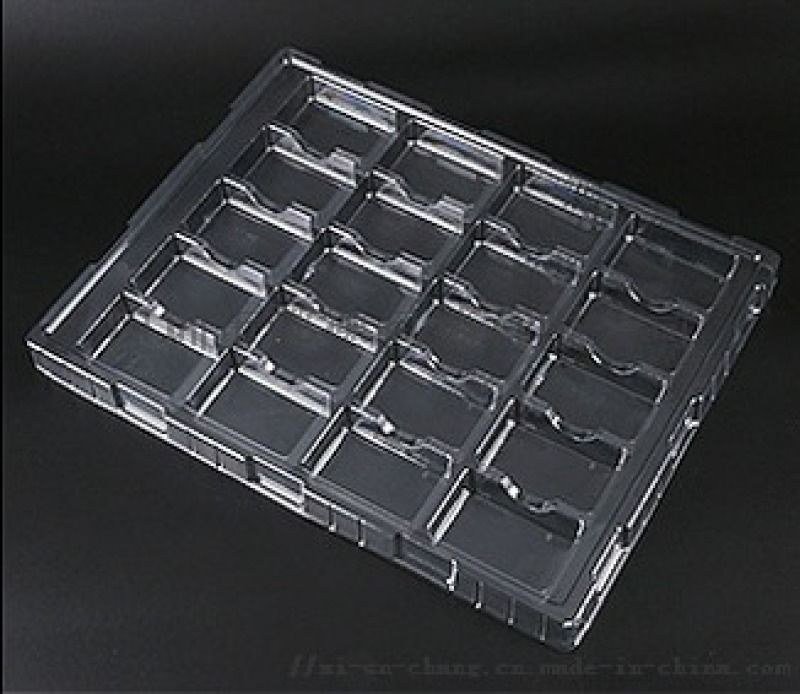
Electronics and hardware products often look simple from the outside, but they can be difficult to package well. Small parts may move during shipment. Tool sets need organized cavities. Plastic accessories can scratch or deform if they are pressed against each other. A custom blister tray insert helps solve these problems when the structure is designed around the real product rather than a generic cavity.
The first design point is product fit. A tray cavity should hold the item securely without making it difficult to remove. If the cavity is too loose, the product can shift during handling. If it is too tight, workers or end users may damage the product when removing it. Small edge clearances, corner radius choices, and finger-access points all affect the user experience.
The second point is protection. Hardware items may be heavy or sharp. Electronic parts may be sensitive to pressure or surface abrasion. A good tray insert uses formed walls, ribs, and spacing to reduce direct contact between products. This is especially important when multiple items sit in one pack or when trays are stacked in cartons.
Stacking is another practical detail. Many custom trays look acceptable as a single sample but create problems when stacked in production. If the tray does not nest cleanly, it can waste carton space. If it nests too tightly, workers may struggle to separate trays on the packing line. The tray structure should be tested not only with one product, but also in the quantities expected during packing.
Buyers should also think about display and identification. Clear trays can make the product visible, while darker or opaque trays may help organize internal handling. For kits, a cavity layout can make it easier to confirm whether all parts are present before sealing the pack. This can reduce packing mistakes and improve the final presentation.
Material and thickness should be selected after the structure is understood. A heavy metal part may need a stronger wall design or thicker sheet. A lightweight electronic accessory may perform well with a thinner clear material if the cavity and rib design are efficient. Material choice and structure should be evaluated together.
To start a tray insert project, prepare product samples or detailed dimensions for each item. Photos from multiple angles are helpful. If the product must face a certain direction, if workers need fast removal, or if the tray must fit an existing carton or outer box, those details should be shared at the beginning.
Hengtong designs blister tray inserts for practical manufacturing conditions. The aim is a clean product fit, stable handling, efficient packing, and a structure that can be repeated after sample approval.