From Product Sample to Thermoformed Packaging: What Buyers Should Prepare
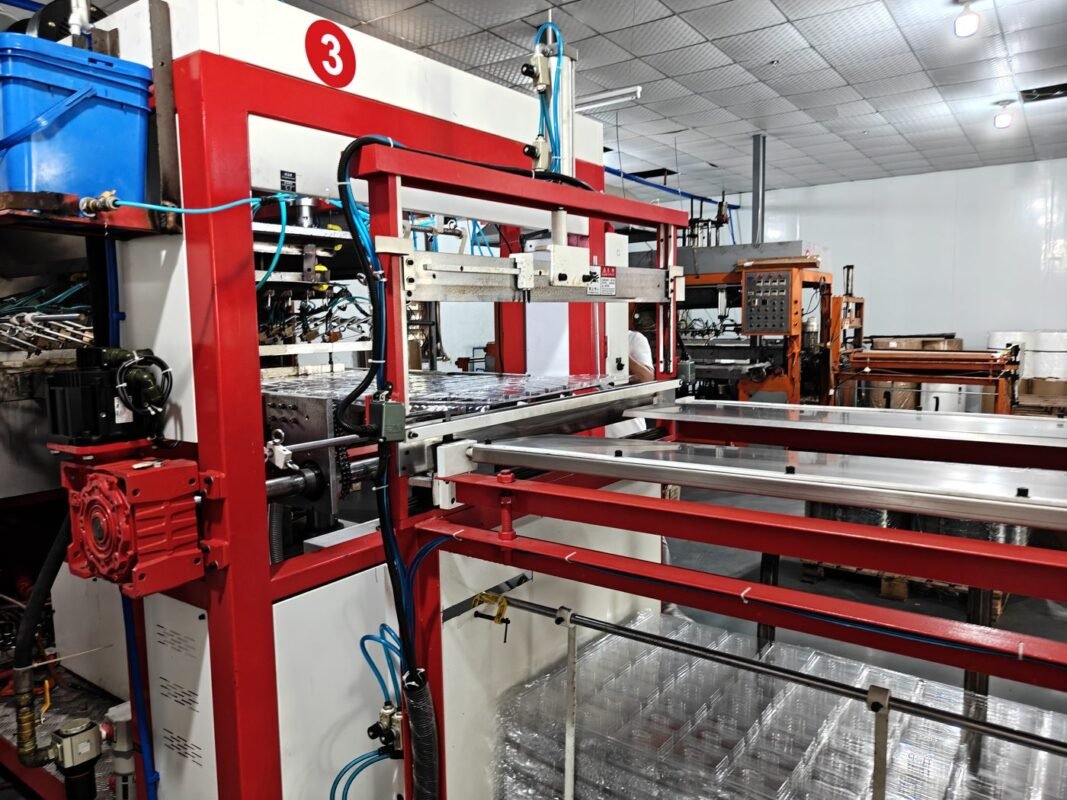
A custom thermoformed packaging project usually starts with a question: "Can you make packaging for this product?" The answer depends on several details. The more complete the initial information is, the faster a supplier can evaluate material, structure, sample cost, tooling direction, and production planning.
The most important item is the product size. Length, width, height, and weight give the supplier a basic understanding of the formed cavity. If the product has special shapes, raised parts, fragile areas, handles, sharp corners, or accessories, those details should be shown in photos or drawings. A simple rectangular measurement may not be enough for a product with uneven surfaces.
Photos are also valuable. Front, side, top, and angled photos help packaging engineers understand the shape. If the product must be displayed in a certain direction, include a photo of the preferred presentation. If it needs to be packed with other parts, show the full set together.
Buyers should also explain the packaging purpose. A blister tray used for internal factory handling may have different requirements from a clamshell used for retail display. Packaging for export shipment may need stronger stacking and carton considerations. A sample kit may prioritize appearance and easy opening. These use cases affect structure and material.
Material preference is helpful, but it is acceptable if the buyer is unsure. Many projects begin with a request for PET, PS, or PVC, but the supplier may recommend a different direction after reviewing clarity, strength, cost, and forming depth. If the buyer has customer restrictions, retailer requirements, or regional material rules, those should be shared early.
Quantity matters because sampling, tooling, and unit price depend on production volume. A buyer who needs 500 sets for a trial order may require a different plan from a buyer who needs 50,000 sets per month. Expected annual volume, first order quantity, and reorder frequency all help the supplier make a practical recommendation.
Carton packing should not be ignored. A good tray can still create cost problems if it wastes space in shipping cartons. If the finished packaging must fit an existing box, display sleeve, or outer carton, provide those dimensions before sampling.
Finally, share the target schedule. If the project has a launch date, inspection date, or shipping deadline, the supplier needs to know. Sampling and production can be planned more accurately when timing is visible from the start.
For a faster Hengtong quotation, send product photos, dimensions, material preference, expected quantity, target packaging type, and any carton or schedule requirements. With that information, the packaging conversation becomes much clearer and sampling can move with fewer revisions.