How to Choose PET, PS, or PVC for a Custom Blister Packaging Project
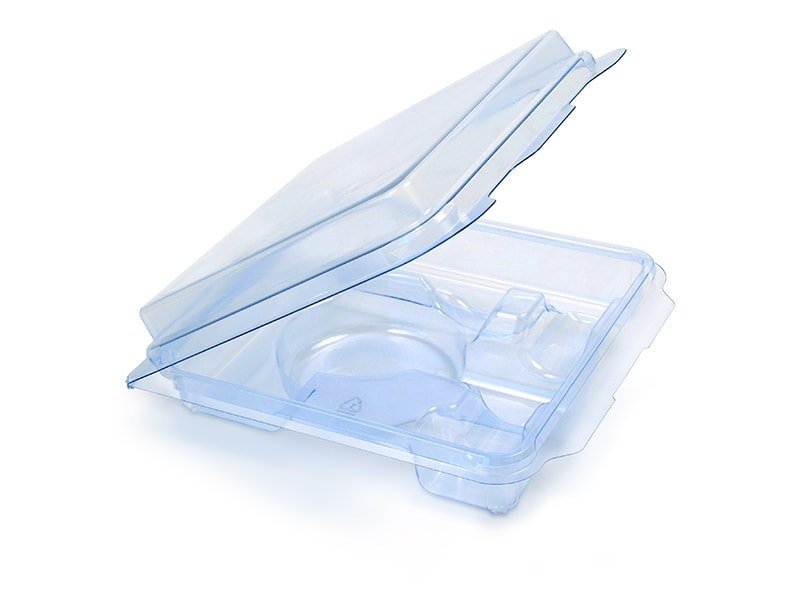
Choosing the right plastic material is one of the first decisions in a custom blister packaging project. Many buyers begin with a simple request such as "clear tray" or "plastic insert," but the final performance depends on more than appearance. The product weight, cavity depth, display requirement, packing method, budget, and production quantity all influence whether PET, PS, PVC, or another material direction is the better fit.
PET is often selected when a buyer wants a clean clear appearance and good toughness. It is commonly used for retail-facing blister packaging, clamshells, and trays where product visibility matters. When the product needs to be seen clearly and handled repeatedly before purchase or assembly, PET is often a practical starting point. It can also be useful when the packaging needs a balance of clarity and strength.
PS is often considered for trays and inserts where rigidity, forming behavior, and cost control are important. For some industrial, electronic, and hardware applications, the packaging does not need to be highly transparent. Instead, it needs to hold products in position, stack well, and support efficient packing. In those cases, PS can be a useful option, depending on thickness and structure.
PVC may be suitable for selected clear packaging structures when the project requirements call for its forming characteristics or appearance. Because different markets and buyers may have their own material rules, PVC should be discussed early in the quotation process. If a buyer has restrictions from their customer, retailer, or region, those requirements should be shared before sampling.
The material decision should never be separated from structure. A thin tray with weak rib design may fail even if the material is acceptable. A thicker tray may waste cost if the product is lightweight and the cavity design already supports it well. Good thermoformed packaging combines material, thickness, cavity shape, and edge design into one practical solution.
Before requesting a quote, buyers can prepare five pieces of information: product photos, product dimensions, product weight, expected order quantity, and the way the packaging will be used. Is it for retail display, internal handling, export shipment, sample kits, or replacement packaging? Each use case changes the material conversation.
Hengtong can help review PET, PS, and PVC options based on the product's real packaging requirements. The goal is not to choose the most expensive material, but to choose a material and structure that performs reliably, looks appropriate, and supports repeat production.